OZARC Camp Power
Smarter Power for Remote Workers’ Camps.
Reliable, relocatable hybrid power solutions designed to reduce diesel dependence while supporting the everyday demands of remote camp operations. From smaller temporary camps to larger accommodation facilities, OZARC works with operators to understand the load, assess suitable technologies and develop practical power solutions.
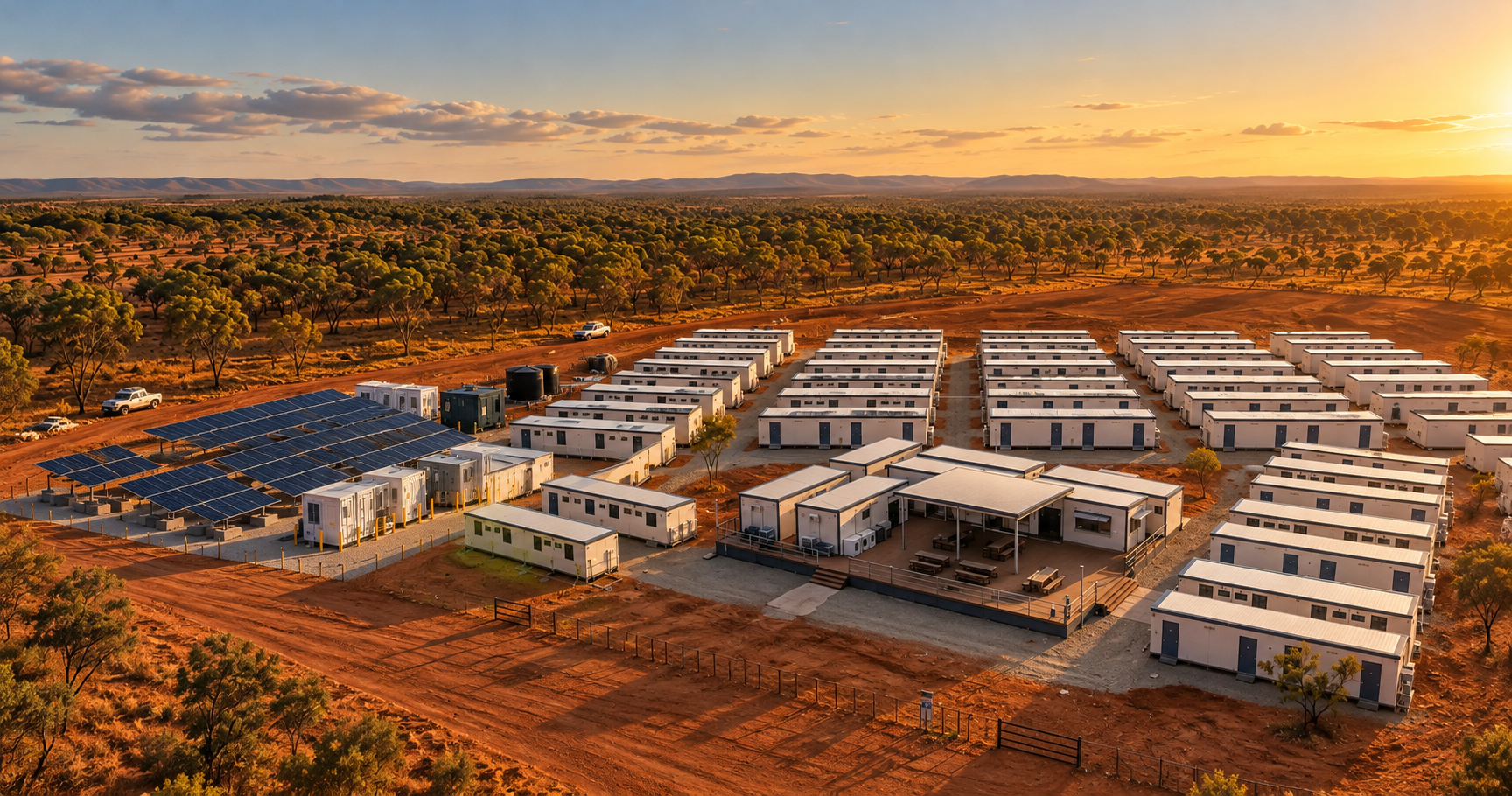
AI-generated indicative camp — not an OZARC project
The real cost of camp power
Diesel Is Only Part of the Cost.
For remote camp operators, the cost of electricity extends beyond the fuel itself. Generator servicing, fuel deliveries, equipment hire, operating hours, mobilisation and the risk of unplanned outages all contribute to the total cost of providing reliable power. OZARC approaches each project by understanding the existing power arrangement first, then evaluating whether a hybrid system can offer a better operating and commercial outcome.
What we assess
- Existing diesel consumption and delivered fuel cost
- Generator capacity, runtime and maintenance
- Camp occupancy and daily electricity demand
- Kitchen, laundry, cooling and other three-phase loads
- Camp duration, site conditions and relocation requirements
One integrated hybrid power system
Solar. Battery. Generator. One Coordinated System.
Solar PV
Renewable generation during daylight hours.
Battery Storage
Stores energy and supports changing demand.
Generator Backup
Dedicated backup or suitable existing generators, subject to assessment.
Energy Management
Coordinates system operation and monitoring.
Camp Electrical Loads
Accommodation, kitchens, laundry, cooling, water and communications.
OZARC assesses how these technologies can work together to provide dependable electricity, reduce unnecessary generator runtime and respond to changes in camp demand. Systems may incorporate dedicated generator backup or integrate with suitable existing generators, subject to technical assessment.
Designed around your camp
No Two Camps Have the Same Load Profile.
A 100-bed camp with fully electric kitchens, air-conditioning and laundry may have very different electricity requirements from another camp of the same size. That is why OZARC starts with actual site information rather than a fixed equipment package.
Camp Size
Occupancy, facilities and operating schedule.
Electrical Demand
Daily energy, peak load and overnight consumption.
Operating Conditions
Temperature, dust, site access and project duration.
Flexible commercial arrangements
Power Solutions That Fit the Project.
Depending on project requirements and commercial feasibility, OZARC is developing flexible arrangements for mobile hybrid power systems.
Equipment Hire
A relocatable power system supplied under an agreed hire arrangement, with responsibilities for fuel, operation and maintenance defined in the contract.
Managed Hybrid Power
A service arrangement combining system availability, monitoring and maintenance support.
Project-Specific Solutions
Customised technical and commercial structures for sites with different ownership, operating or deployment requirements.
Arrangements are subject to project assessment and commercial agreement.
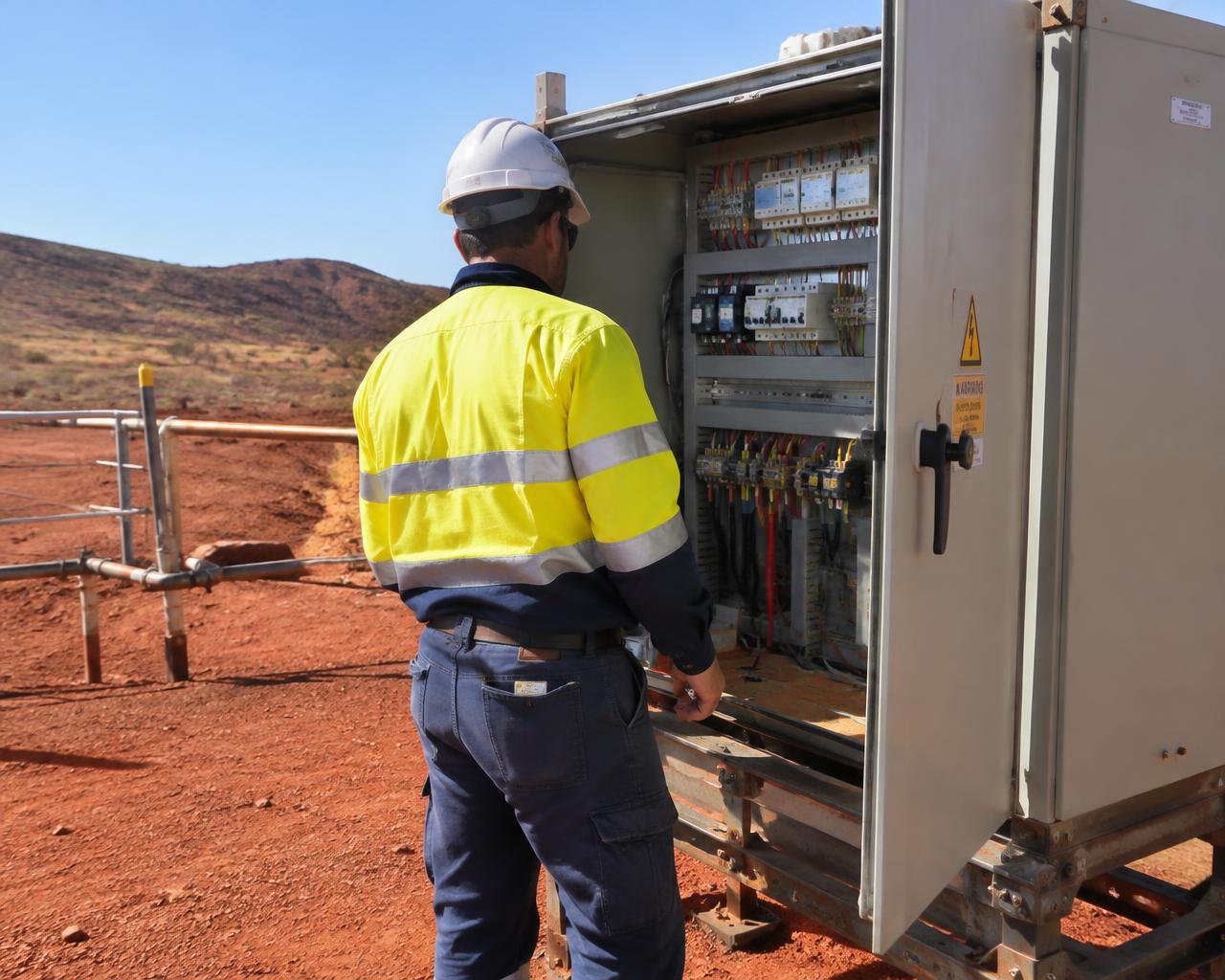
Representative image
Built for remote deployment
Designed for Deployment. Supported on the Ground.
Remote power systems must be practical to transport, install, operate and maintain. OZARC’s delivery planning considers freight, access, electrical integration, site preparation, commissioning, spare parts and ongoing field support. Deployment and service arrangements are developed around each project, including the required qualified contractors and technical support.
Camp power assessment
Start With Your Camp’s Actual Requirements.
To begin an initial assessment, we would like to understand:
- Camp location and number of beds
- Existing generator capacity and configuration
- Diesel consumption and delivered fuel price
- Major electrical loads, including kitchen, laundry and cooling
- Expected camp operating period
- Available load data or generator records